














Barefoot First Series – Blog 3 – Function Over Form
Training for the Body You Want to Keep
There comes a point — quietly, without ceremony — where you realise your body is no longer interested in being bullied.
It will still adapt.
It will still grow stronger.
But it now demands intent instead of ego.
For many of us, training began as performance. Numbers. Mirrors. Chasing a version of ourselves that felt powerful, admired, or remembered. There’s nothing wrong with that — it served its time.
But if you’re reading this, chances are you’ve felt the shift.
The question is no longer how much can I lift?
It’s how long do I want to move well?
This is where function replaces form — not as a downgrade, but as an evolution.
Why Barefoot Minds Revisit How They Train

Barefoot living changes your tolerance for shortcuts.
Once you feel the ground honestly — no cushioning, no correction, no disguise — sloppy movement becomes obvious. There’s nowhere to hide. Every compensation whispers its presence.
That same awareness eventually spills into training.
You stop asking:
-
What looks impressive?
-
What burns the most calories?
-
What wrecks me fastest?
And start asking:
-
What carries over to real life?
-
What protects my joints long-term?
-
What leaves me stronger tomorrow, not just shattered today?
Barefoot doesn’t force this shift.
It invites it.
Function Over Form: What That Actually Means

Functional training isn’t a circus of balance balls and novelty exercises.
It’s simple. Almost boring — until you feel the difference.
Function prioritises:
-
Movement quality over load
-
Control over momentum
-
Stability before intensity
-
Longevity over vanity
It’s training that respects how the body is designed to move — hinge, squat, push, pull, carry, rotate — without isolating parts that never operate alone in real life.
And here’s the truth most people don’t want to hear:
You can be strong and still move poorly.
But you can’t move well for long if you train poorly.
My Own Shift: Letting Go of Old Patterns
I’ll be honest — this transition hasn’t been easy.
As I’ve got older, training motivation has become more complex. I’m still searching. Still experimenting. Still learning where effort belongs and where it doesn’t.
What I’ve had to let go of is this idea that heavier is always better.
Now, before loading a movement, I ask:
-
What do I want from this?
-
Is this serving function — or vanity?
-
Will this help me move better, or just feel accomplished for an hour?
If the answer is ego, it gets side-lined.
That doesn’t mean training becomes easy. In many ways, it becomes harder — because you feel everything. Tempo slows. Control matters. Weak links are exposed.
But the payoff is real.
Examples of Function-First Training
Here’s what earns its place now:
-
Controlled squats and hinges
Depth you can own. Stability you can maintain. No bouncing out of weak positions. -
Carries
Farmer’s carries, offset loads, awkward objects. This is real-world strength at its finest. -
Pulling with intent
Rows, hangs, pull-ups — focusing on shoulder health, not just lat size. -
Rotational work
Chops, lifts, controlled twists. The spine wants to rotate — gently and deliberately. -
Single-leg work
Because life rarely happens on two perfectly planted feet.

What gets less airtime now?
-
Maximal lifts done just to chase numbers
-
Exercises that reward momentum over control
-
Training that leaves joints inflamed for days
Strength is still there.
It’s just quieter — and far more useful.
Hyrox, Conditioning & Real-World Fitness
Hyrox-style training has exploded for a reason: it feels purposeful.
Running broken up with functional movements — sleds, lunges, carries — mirrors real effort more than traditional gym splits ever did.
But here’s the barefoot-minded caution:
Intensity without foundation is just chaos.
If you’re exploring Hyrox-style conditioning:
-
Build movement quality first
-
Earn speed second
-
Respect recovery
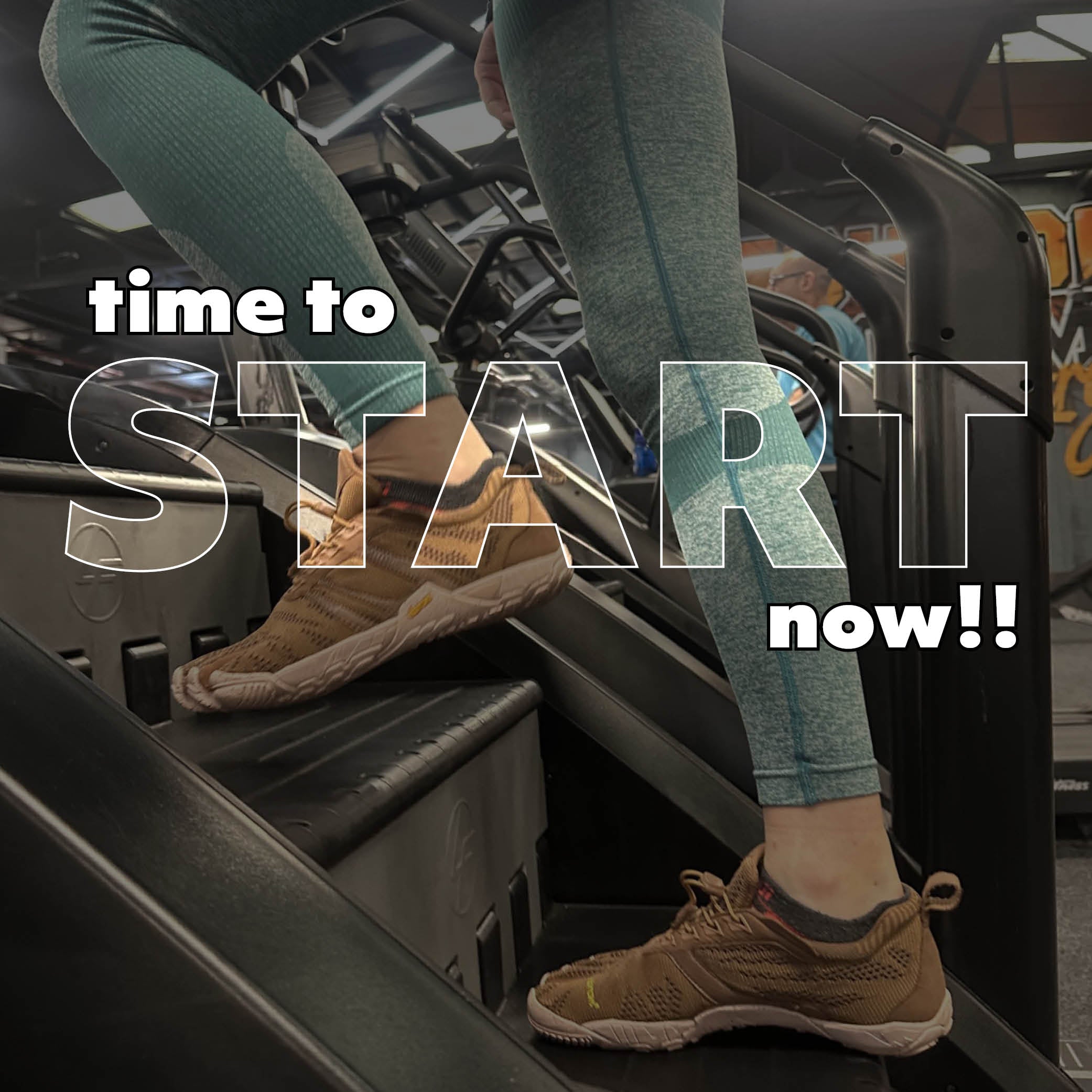
Barefoot footwear can be a powerful ally here — improving ground feel, stability, and proprioception — if adaptation is gradual.
Which brings us to the familiar refrain…
The Devil’s Advocate: Barefoot, Training & Overconfidence
Barefoot shoes don’t make you invincible.
They amplify feedback. That’s their gift — and their risk.
Move too fast, add too much volume, or ignore warning signs and you’ll find trouble quickly. Calves, Achilles, plantar tissue — they adapt, but they don’t negotiate.
The same rule applies as always:
-
Start slower than you think
-
Build tolerance deliberately
-
Let tissues catch up to intention
Barefoot rewards patience.
Punishes ego.
Training Frequency, Recovery & Reality

Time is the real constraint now.
Work weeks are full. Weekends vanish. Energy isn’t endless. And pretending otherwise only breeds guilt.
The shift I’ve made is simple:
-
Fewer sessions
-
Higher intention
-
Better recovery
Some weeks it’s four sessions. Some weeks it’s two. What matters is that when I train, I’m present.
Heat, mobility, walking, and stillness all count. Training is no longer something to recover from — it’s something that fits into life.
The Barefoot Parallel (Again, It’s the Same Lesson)
Barefoot living and functional training share the same core truth:
Awareness beats aggression.
Both strip away artificial support.
Both demand honesty.
Both reward those willing to slow down and listen.
If you’re barefoot, you’re already halfway there.
A Gentle Challenge
Next time you train, try this:
-
Reduce the load
-
Slow the movement
-
Feel every transition
-
Ask what the exercise is teaching you
And ask yourself:
Am I training to look capable — or to remain capable?
The answers tend to arrive quietly.
Further Reading & Research
-
Behm, D. et al. (2010). Instability resistance training and functional performance
-
Schoenfeld, B. (2010). The mechanisms of muscle hypertrophy
-
McGill, S. (2015). Back Mechanic & spine stability principles
-
Granacher, U. et al. (2011). Balance training and neuromuscular control
Disclaimer
Training practices place stress on muscles, joints, and the nervous system. Individual needs and capacities vary. Consult qualified professionals before making significant changes to training methods or footwear. Progress gradually, prioritise technique, and listen carefully to your body.
Next in the Barefoot First Series
Blog 4 – Fuel Without Dogma
Food, energy, mood, and why eating well doesn’t need an identity — just intention.
Feet grounded.
Movement honest.
Strength that lasts.
View Our Full Range of FiveFingers HERE