









How to Transition Safely Into Vibram FiveFingers (UK Guide)
Moving into barefoot shoes is one of the most rewarding things you can do for your body — but it’s also something you should approach with a little patience and a lot of respect.
You’re waking up muscles that haven’t been used properly for years. Tendons, arches, calves, toes — they all need time to adapt.
This guide gives you a simple, grounded, beginner-friendly path for transitioning into Vibram FiveFingers safely, confidently and enjoyably.
Whether you're here for running, training, hiking or everyday freedom, this is the roadmap that protects your body and unlocks your natural strength.
Why Transitioning Slowly Matters
Modern shoes have done most of the work for your feet. Cushioned heels, rigid midsoles, arch support — they all remove the need for natural foot strength.
Switching to barefoot footwear flips the script.
The benefits of a proper transition:
-
Stronger arches
-
Improved balance
-
Better posture
-
Reduced heel striking
-
Healthier stride mechanics
-
Greater connection with the ground
The risks of rushing:
-
Sore calves
-
Achy arches
-
Blisters
-
Overuse injuries
Your feet can become strong — incredibly strong — but they need a gradual, respectful approach.
Step 1 — Start With Short Walks (10–20 Minutes)
For the first few days, simply walk in your Vibrams.
No running.
No hiking.
No gym work.
Just let your toes splay and your feet learn to support you naturally.
Tips:
-
Choose flat, predictable surfaces
-
Focus on soft landing rather than heel striking
-
Stop before fatigue sets in
👉 View full “Vibram FiveFingers” Collection - here
Build Up Gradually Over 2–4 Weeks
Once 20 minutes feels easy:
-
Increase your walking time by 5 minutes every few days
-
Add gentle inclines or grass
-
Let your calves adapt slowly
Listen for signals:
Mild tightness = normal
Sharp pain = stop, rest, reset
Add Strength Movements
Barefoot strength is built from the ground up.
Introduce these simple exercises:
-
Toe spreading
-
Single-leg balance
-
Calf raises
-
Short foot exercise (arch lift)
-
Slow, mindful squats
👉 View ideal “Training Shoes” for beginner's transitioning drills here - Men's - Women's
Start Short Running Intervals
When walking feels totally natural, you can begin running.
Start with:
-
Run 1 minute
-
Walk 1–2 minutes
-
Repeat for 5–10 minutes
Focus on:
-
Light, quiet landings
-
Feet under your hips
-
Shorter strides
-
Midfoot or forefoot contact
👉 View our Running Shoe Collection here - Men's - Women's
Step 5 — Listen to Your Body
Barefoot progress isn’t linear.
Some days you’ll feel incredible.
Some days you’ll feel tight.
This is normal.
If you feel soreness:
-
Reduce volume
-
Stretch calves & arches
-
Wear Vibrams for shorter daily periods
Slow is smooth.
Smooth is strong.
Strong is injury-resistant.
Wear Vibrams for Daily Life
Once you move comfortably in them, use your Vibrams for:
-
School runs
-
Dog walks
-
Shopping
-
Work (if allowed)
-
School pickups
-
Light chores
Every step builds natural resilience.
I
👉 View our recommended Lifestyle & Casual collection here - Men's - Women's
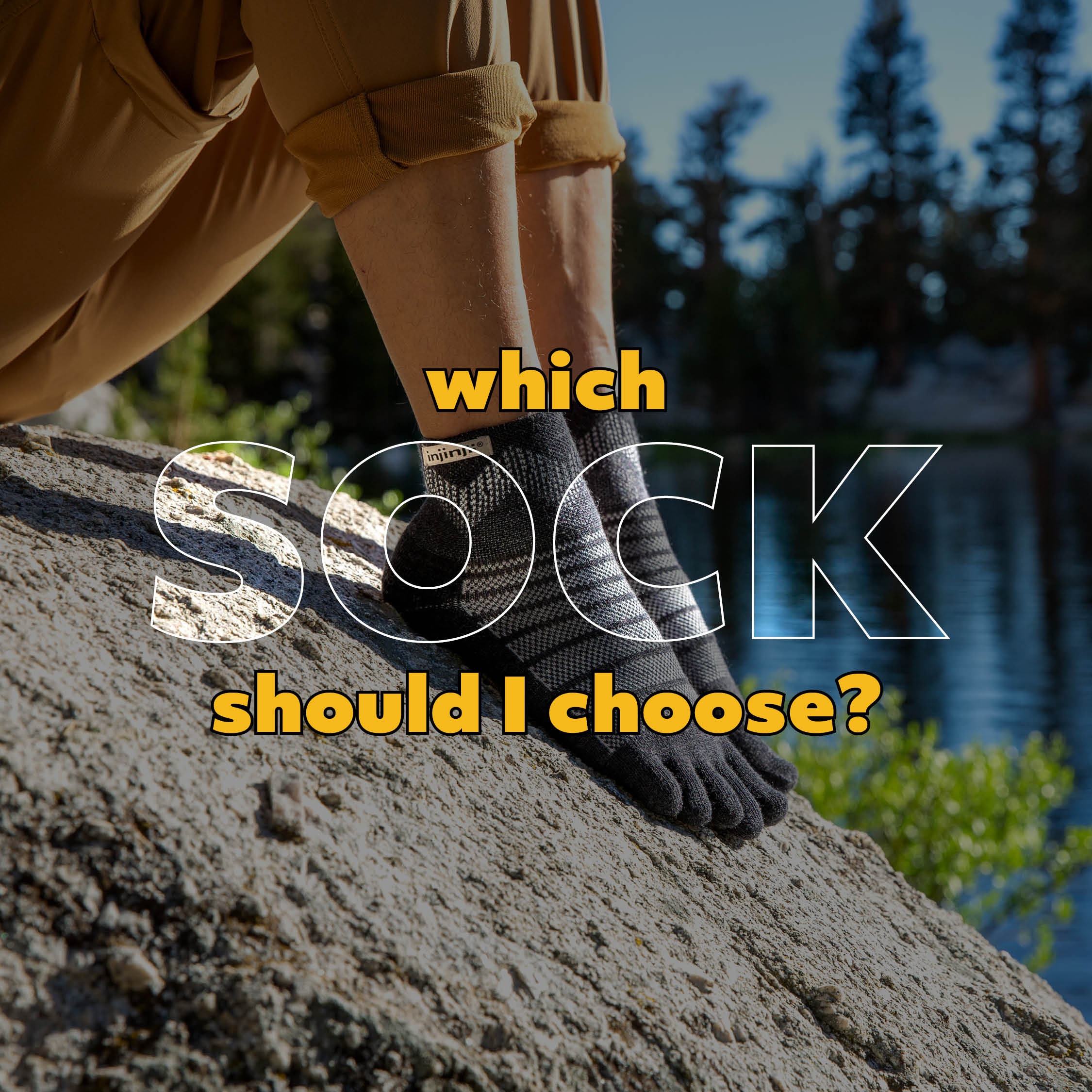
Use Toe Socks for Added Comfort
Injinji or Vibram toe socks help with:
-
Reducing sweat
-
Preventing blisters
-
Adding warmth
-
Keeping shoes fresher
👉 View our full Toe Socks collection - All Socks
Common Mistakes to Avoid
Avoid:
❌ Doing too much too soon
❌ Running before walking comfortably
❌ Ignoring soreness
❌ Jumping straight into rough terrain
❌ Wearing Vibrams all day on the first week
❌ Neglecting calf and arch strength
Each mistake slows your progress.
Each correction accelerates it.
How Long Does the Transition Take?
Everyone is different, but most people adapt within:
-
4–6 weeks for walking
-
8–12 weeks for running
-
12–20 weeks for strong foot development
Consistency beats speed.
When to Explore Lighter or Thicker Models
Once you're comfortable:
-
Move down to Max Ground Feel for precision & strength
-
Move up to Moderate Ground Feel for trails & long hikes
👉 For more information on ground feel read our Ground Feel section in our Which shoe should I Choose? [Guide] - Here
Need Personal Help Choosing?
We’re here Monday–Friday, 9:30–5:30.
📩 Email: sales@barefootjunkie.com
📞 Phone: 01302 955880
💬 Live Chat: bottom right of homepage (“HELP”)
Barefoot is a journey — and you don’t have to take the first steps alone.
Final note
Every body is different. Transitioning into barefoot shoes is a personal journey and should be taken at your own pace. The guidance above is based on experience and common patterns, but always listen to your body and adjust as needed. If you have existing injuries or medical concerns, seek personalised advice before making major changes to your footwear or training.