





Natural Foot Movement and How Barefoot Footwear can help
For most of human history, feet were not cushioned, supported, lifted or shaped by shoes. They were free. Strong. Responsive. Intelligent.
Modern footwear changed that — often with good intentions — but in the process, we slowly disconnected from the very signals our bodies rely on to move well.
Barefoot footwear isn’t about nostalgia or trends.
It’s about restoring natural movement — one step at a time.
Your Feet Were Designed to Move — Not Be Supported
Each foot contains over 100 muscles, tendons and ligaments, working together to provide balance, propulsion, shock absorption and stability.
Traditional shoes often:
-
Restrict toe movement
-
Elevate the heel
-
Add rigid structure
-
Dull sensory feedback from the ground
Over time, this can lead to weaker feet, altered posture and inefficient movement patterns.
Barefoot footwear flips that equation.
Instead of supporting your feet, it allows them to do the work they were designed to do.
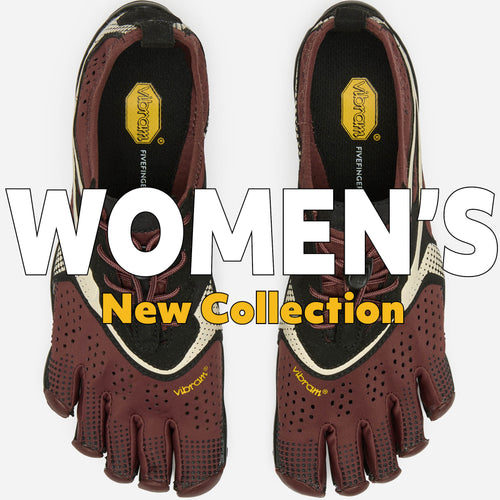
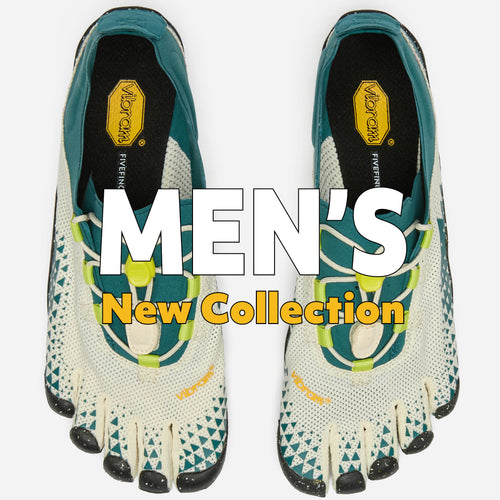
👉 All Men's Barefoot Footwear - 👉 All Women's Barefoot Footwear

What Do We Mean by “Natural Movement”?
Natural movement simply means moving the way the human body evolved to move.
That includes:
-
Feet landing beneath the hips
-
Toes spreading naturally for balance
-
Ankles flexing freely
-
The body responding to ground feedback in real time
Barefoot footwear removes barriers between your feet and the ground, allowing your nervous system to make constant micro-adjustments that improve stability, coordination and efficiency.
You don’t think about moving better — your body does it automatically.

Key Features That Support Natural Movement
1. Zero Drop (No Heel Elevation)
Barefoot shoes keep the heel and forefoot at the same level.
This encourages:
-
Better posture
-
Reduced forward lean
-
More natural gait patterns
When your heel isn’t artificially raised, your body aligns more efficiently from the ground up.
2. Foot-Shaped Design
Your toes are meant to splay, not squeeze.
Barefoot footwear gives your forefoot room to spread, improving:
-
Balance
-
Stability
-
Weight distribution
This is especially noticeable during lifting, walking on uneven ground, or long days on your feet.

3. Flexible Soles
Flexible soles allow the foot to bend, twist and adapt naturally.
Instead of forcing your foot into a rigid pattern, barefoot shoes move with you — whether you’re training, walking, travelling or exploring outdoors.

4. Ground Feel & Sensory Feedback
Your feet are packed with nerve endings.
They constantly send information to your brain about surface texture, slope, temperature and impact.
Barefoot footwear restores this feedback loop.
Better feedback = better movement decisions.
This is why many people notice improvements in:
-
Balance
-
Coordination
-
Movement awareness

Ground Feel Explained (Why It Matters)
Not all barefoot shoes feel the same.
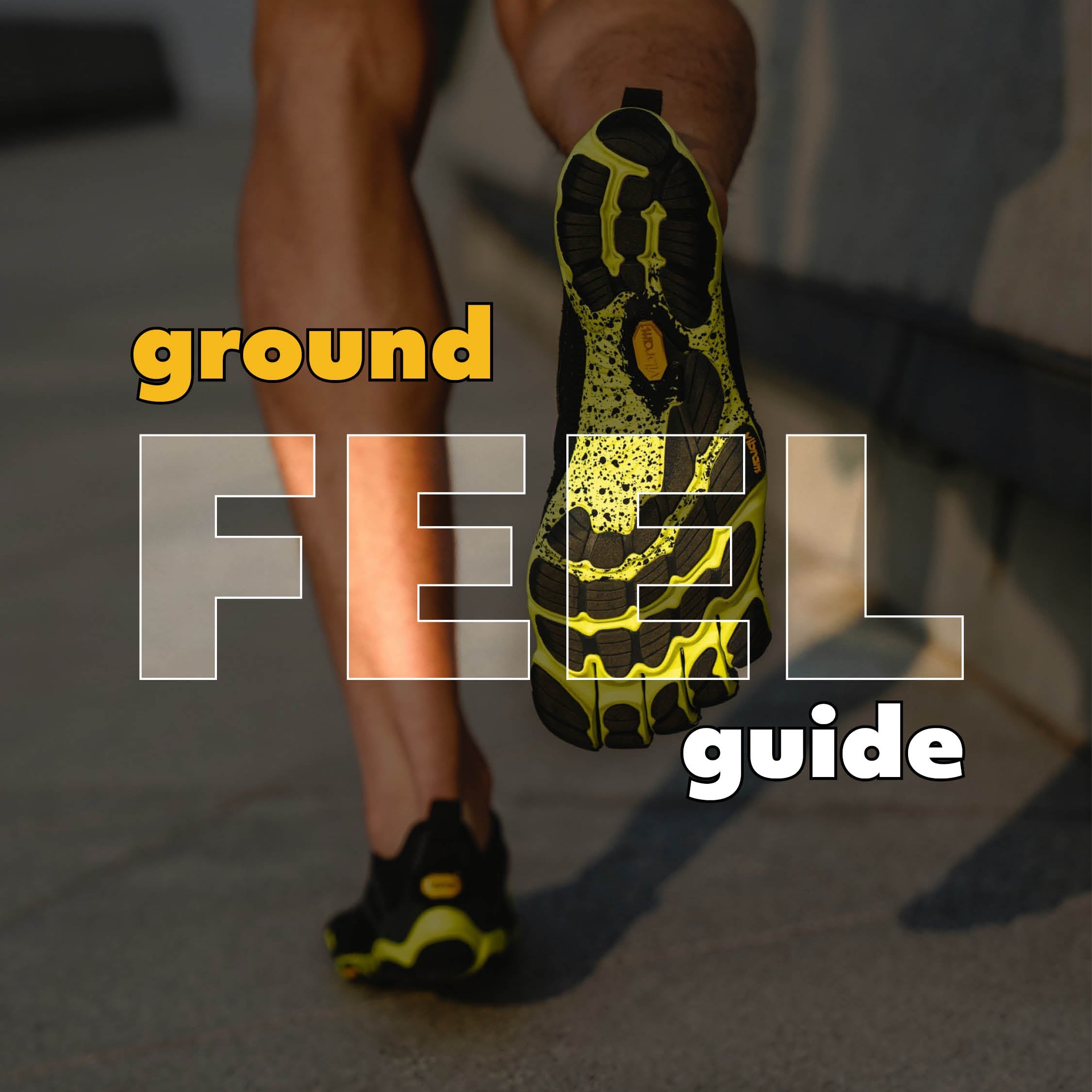
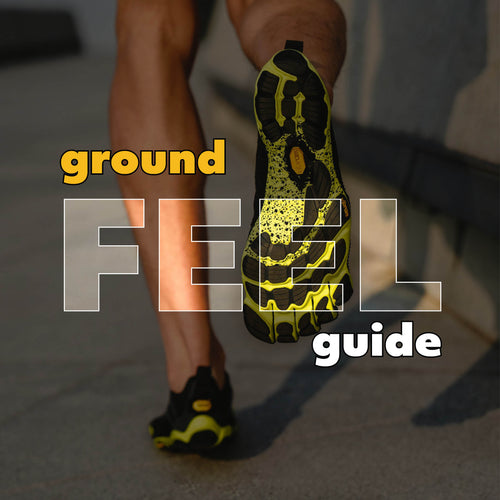
Ground Feel refers to how much sensory feedback you receive from the surface beneath you.
-
Max Ground Feel – Ultra-thin soles for the purest connection
-
Medium Ground Feel – Balanced feedback with added protection
-
Moderate Ground Feel – More protection for rough terrain while staying flexible
Choosing the right ground feel depends on:
-
Your activity
-
Your experience level
-
The surfaces you move on
There is no “best” — only what’s appropriate for you.
Explore Ground Feel Further here
How Barefoot Footwear Can Improve Everyday Life
Natural movement isn’t just for runners or athletes.
Many people choose barefoot footwear for:
-
Everyday walking
-
Travel
-
Workdays on hard floors
-
Casual, all-day wear
Over time, wearers often report:
-
Stronger feet
-
Improved posture
-
Less reliance on cushioning
-
Greater comfort once adapted
It’s not about doing more — it’s about moving better.
“Different activities benefit from different levels of ground feel and flexibility.”
👉 Shoes Comparison Articles and how they differ for different Activities
The Importance of Transitioning Slowly
This part matters.
If you’ve spent years in cushioned, supportive shoes, your feet may be under-used.
Barefoot footwear asks them to wake up again.
Start gradually:
-
Short walks
-
Light gym sessions
-
Everyday wear before intense activity
Think of it like strength training — you wouldn’t lift heavy on day one.
Your feet will adapt if you give them time.
Read our Transition Guide to help you transition safely
Socks Matter More Than You Think
If you’re wearing barefoot shoes — especially FiveFingers — the right socks make a big difference.
Toe socks:
-
Prevent skin-on-skin friction
-
Improve comfort
-
Help manage moisture
-
Allow natural toe alignment
They don’t change the barefoot experience — they enhance it.
Is Barefoot Footwear Right for Everyone?
Barefoot footwear isn’t about absolutes.
It’s a tool — and like any tool, it works best when used appropriately.
If you have:
-
Existing injuries
-
Medical conditions
-
Chronic pain
It’s always sensible to consult a qualified professional before changing footwear.
For most people, however, barefoot footwear is a positive reintroduction to natural movement, not a radical departure.
Final Thoughts: Let Your Feet Lead Again
Your feet aren’t fragile.
They’re adaptable, intelligent and incredibly capable.
Barefoot footwear doesn’t add anything artificial — it simply removes what gets in the way.
Less structure.
More awareness.
Better movement.
Once you reconnect with how your body is meant to move, it’s hard to go back.
Helpful next steps:
-
Explore Vibram FiveFingers footwear by activity in our dedicated HUB
-
Learn more about ground feel in our Ground Feel Guide
-
Compare different barefoot styles in our Shoe Comparison Guides
-
Discover toe socks designed for natural movement View All Socks
Barefoot and minimalist footwear may not be suitable for everyone and should be introduced gradually. This article is intended for general educational purposes only and does not replace professional medical advice. If you have existing injuries, medical conditions, or concerns about foot health, we recommend consulting a qualified healthcare professional before transitioning to barefoot footwear. Always listen to your body and progress at a pace that feels right for you.