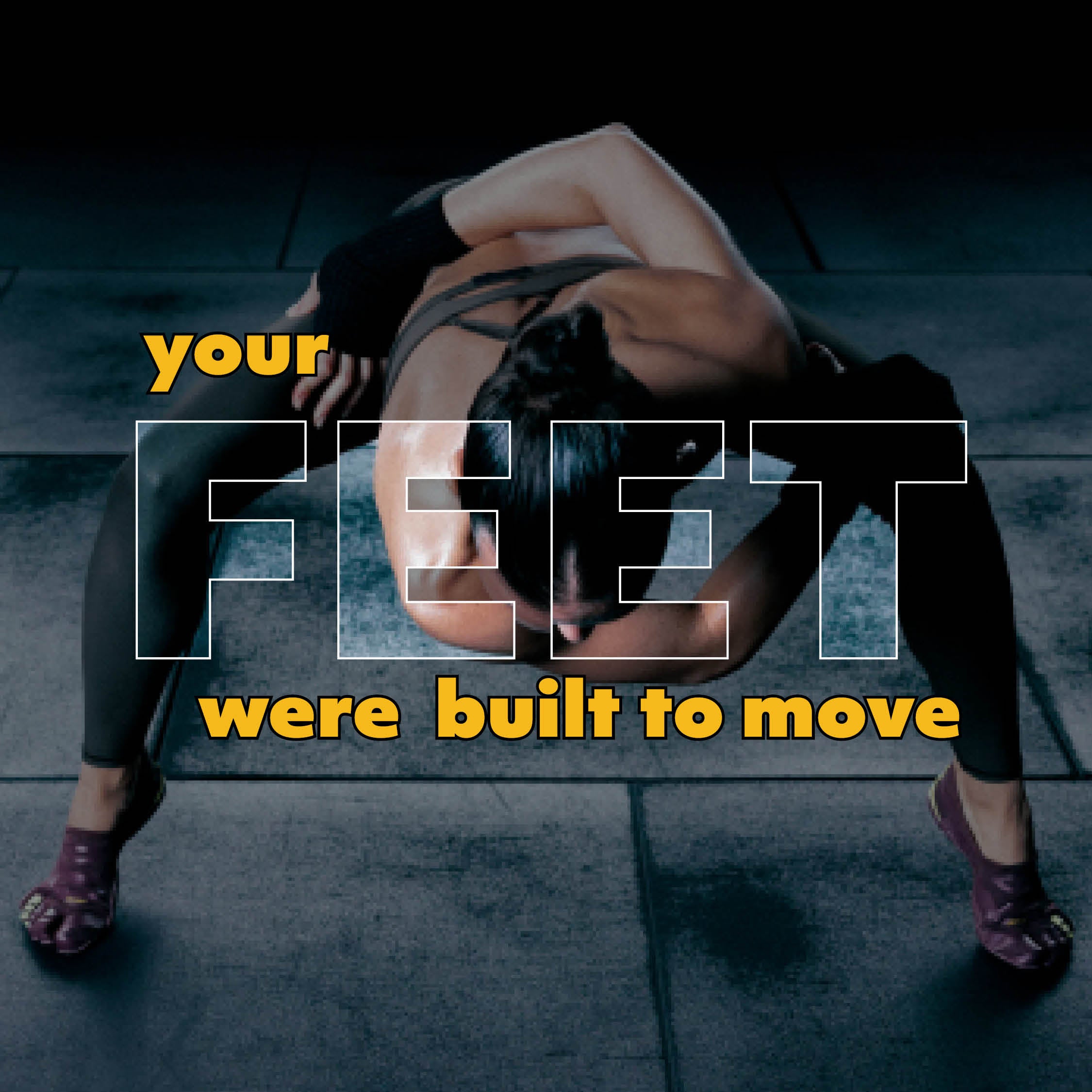





















The Quiet Foundations Series 6 - Training for Different Goals
Strength, Endurance & Capacity
Introduction
Training for Different Goals — Strength, Endurance & Capacity**
If supplements are support — not structure — then training is the framework they’re meant to sit within.
In the previous chapter of The Quiet Foundations, we explored why supplements only work when the fundamentals are already in place. They don’t replace sleep. They don’t override stress. And they don’t correct chaotic training.
Which brings us here.
Because one of the most common reasons people feel stuck — tired, plateaued, or constantly sore — isn’t lack of effort.
It’s lack of clarity.
They’re training everything…
and progressing in nothing.
Why “Train Hard” Is Not a Strategy
Modern training culture tends to blur everything together:
Strength sessions that turn into conditioning
Endurance work done at exhaustion
“Functional” workouts with no clear adaptation goal
The body doesn’t respond well to mixed messages.
It adapts specifically to the signal it receives — and when that signal changes every session, progress becomes noisy, inconsistent, and short-lived.
Before asking how hard you should train, a better question is:
What am I actually training for?
Three Distinct Goals. Three Different Signals.
1. Strength — Building Force & Structure
Strength training is about producing force.
Not sweating.
Not breathlessness.
Not how broken you feel the next day.
It’s about:
-
High intent
-
Controlled movement
-
Adequate rest
-
Progressive loading over time
Strength thrives on:
-
Lower reps
-
Longer rest
-
Precision over volume
Barefoot or minimalist footwear fits naturally here — grounding your stance, improving force transfer, and enhancing awareness during compound movements like squats, hinges and presses.
Strength isn’t rushed. It’s built.
2. Endurance — Sustaining Output Over Time
Endurance is the ability to keep going without degradation.
That doesn’t mean every session needs to feel brutal.
True endurance work:
-
Lives mostly below your maximum
-
Builds efficiency, not exhaustion
-
Respects rhythm and recovery
When everything is pushed to the edge, endurance actually regresses. The nervous system stays elevated, fatigue accumulates, and motivation fades.
Barefoot running and minimalist movement can sharpen cadence, efficiency and feedback — but only when progression is gradual and volume is appropriate.
Endurance is quiet consistency, not constant strain.
3. Capacity — The Ability to Handle Life
Capacity sits between strength and endurance — and extends beyond the gym.
It’s your ability to:
-
Carry load
-
Move under fatigue
-
Adapt to unpredictability
-
Recover quickly and repeat
Capacity training looks like:
-
Carries
-
Crawls
-
Mixed-modal movement
-
Short bouts of effort with recovery
It’s less about max numbers and more about resilience.
For many people — especially as they age — capacity becomes the most valuable currency. It’s what keeps daily life easy, not exhausting.
Why Confusion Leads to Burnout
Many people unknowingly train all three goals at once, every session.
The result?
-
Strength never peaks
-
Endurance never stabilises
-
Capacity feels draining instead of empowering
Add supplements on top of that confusion and disappointment is almost guaranteed.
Creatine won’t clarify your goal.
Electrolytes won’t fix misaligned training.
Caffeine can’t replace direction.
Supplements support clarity — they don’t create it.
Choosing One Goal (For Now)
This doesn’t mean you can only ever train one thing.
It means:
-
Choosing a primary focus
-
Letting other qualities maintain, not compete
-
Cycling emphasis over weeks or months
Training becomes calmer.
Recovery improves.
Progress feels earned, not forced.
And motivation returns — because the body understands what you’re asking of it.
Barefoot as the Quiet Companion
Just like supplements, barefoot footwear isn’t the hero of the story.
It’s the companion.
It enhances feedback.
Encourages better mechanics.
Keeps you honest about movement quality.
But it works best when the training goal is clear — when the signal makes sense.
This is where the series ends — but not the work.
If you’ve read every piece, you’ve already begun shifting how you think, train, recover, and listen. Not through force, but through awareness.
That’s how lasting change actually starts.
What The Quiet Foundations Were Really About
If there’s one thing this series was never trying to do, it was give you more to chase.
The Quiet Foundations weren’t about optimisation, hacks, or extremes.
They were about order.
Because before you ask how hard should I train,
you need to understand what you’re training for.
Before you add intensity,
you need stability.
Before you reach for tools,
you need foundations.
Across this series, we’ve stepped back from the noise and returned to the basics — not because they’re simple, but because they’re often ignored.
And once training has clarity — whether your goal is strength, endurance, or capacity — everything else begins to fall into place.
The Quiet Foundations — A Simple Recap
Think of this as the map you didn’t realise you were missing.
1. Sleep Comes First
Sleep isn’t recovery — it enables recovery.
Without it, performance, mood, hormones and motivation all quietly suffer.
Before anything else, the body needs rest it can trust.
2. Breath Regulates the System
Breath is the bridge between mind and body.
It shapes stress levels, movement quality, and how well you recover — from both training and life.
When breath is rushed, everything else follows.
3. Train for Longevity, Not Youth
Progress isn’t about chasing exhaustion or proving something to yourself.
It’s about building a body that still performs — year after year.
Longevity is earned through patience, control, and restraint.
4. Recovery vs Intensity — When Less Does More
Training is the stimulus.
Recovery is the adaptation.
Without space to absorb the work, effort becomes noise and consistency breaks down.
More isn’t always better — sometimes it’s just more.
5. Supplements — Support or Shortcut?
Supplements can support the process — but they don’t replace it.
No capsule fixes broken sleep, chaotic training, or constant stress.
They soften edges; they don’t build foundations.
6. Train With a Clear Goal
Strength, endurance and capacity are different signals.
When everything is trained at once, progress becomes blurred and fatigue accumulates quietly.
Clarity creates adaptation.
Direction creates momentum.
The Core Lesson
This series was never about doing more.
It was about doing things in the right order.
When sleep is supported, breath is steady, recovery is respected, and training has intent — progress stops feeling forced.
It starts feeling sustainable.
Series Close (optional final paragraph)
That’s the end of The Quiet Foundations.
If you’ve followed the series through to this point, you’ve already done the hardest part — slowing down, paying attention, and choosing clarity over noise.
That’s how lasting change actually begins.
Disclaimer
This content is for educational and informational purposes only and is not intended as medical, nutritional, or training advice. Individual needs vary. Always consult qualified healthcare or fitness professionals before making significant changes to training, supplementation, or lifestyle practices. Listen to your body and progress gradually.