


















When Training Stops Serving Life
Many of us didn’t start training for longevity.
We trained for speed. For numbers. For aesthetics. For ego.
Chasing PBs.
Grinding through fatigue.
Ignoring signals.
That approach can work — for a while.
But somewhere along the line, the body starts asking different questions:
-
Can you move well tomorrow?
-
Can you recover?
-
Can you stay consistent?
Longevity training begins when those questions matter more than the mirror.
The Shift: From Output to Capacity

Training for youth is about output:
-
how fast
-
how heavy
-
how hard
Training for longevity is about capacity:
-
how well you move
-
how often you can train
-
how reliably you recover
It’s not softer — it’s smarter.
The goal isn’t to feel destroyed.
The goal is to feel capable.
Strength Still Matters — Just Differently
Longevity doesn’t mean abandoning strength.
It means reframing it.
Instead of:
-
chasing max lifts
-
forcing poor positions
-
sacrificing control for load
You prioritise:
-
joint integrity
-
full range of motion
-
tension you can own
Slow, controlled strength builds connective tissue resilience — the quiet scaffolding that keeps you training for decades, not months.
Barefoot Changes the Conversation
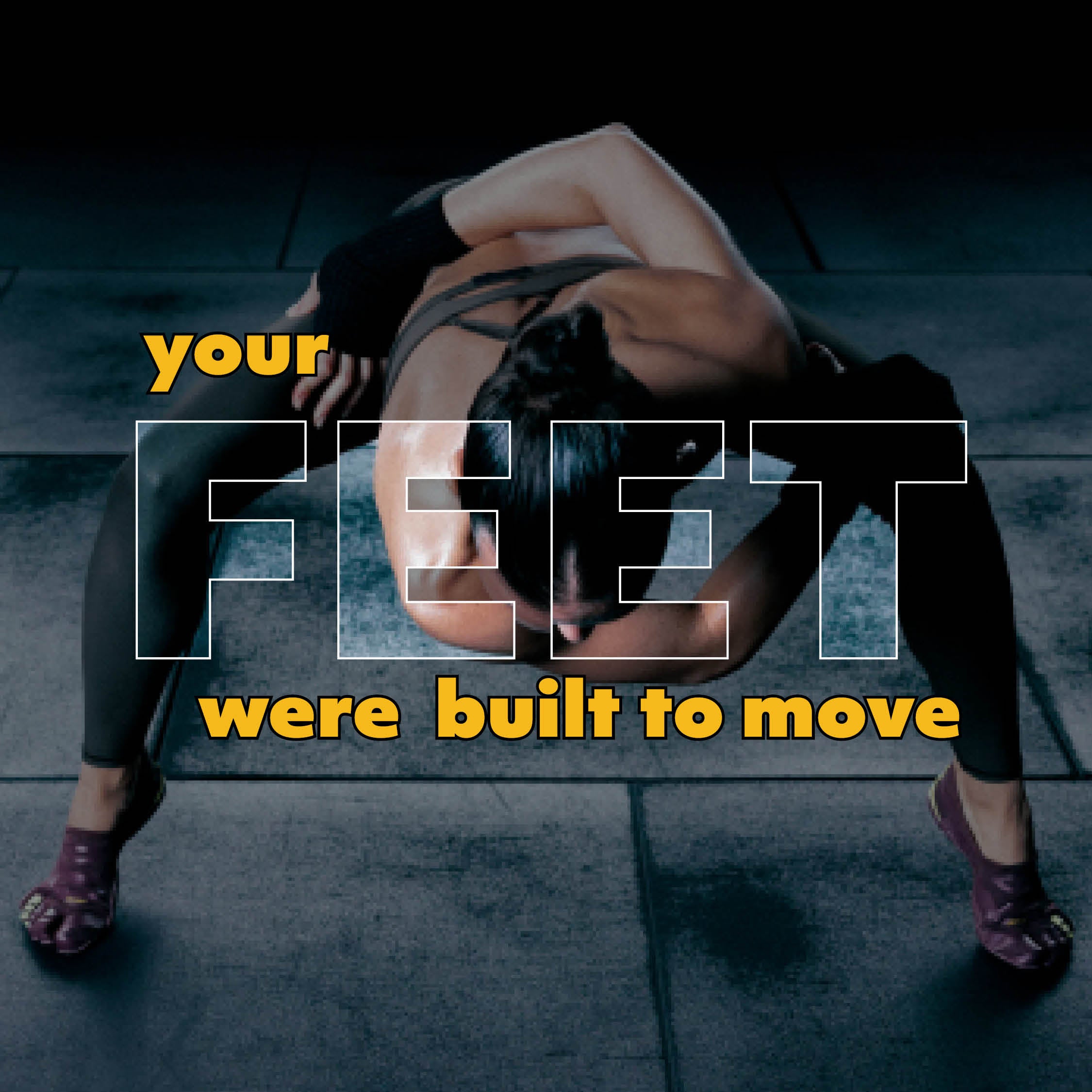
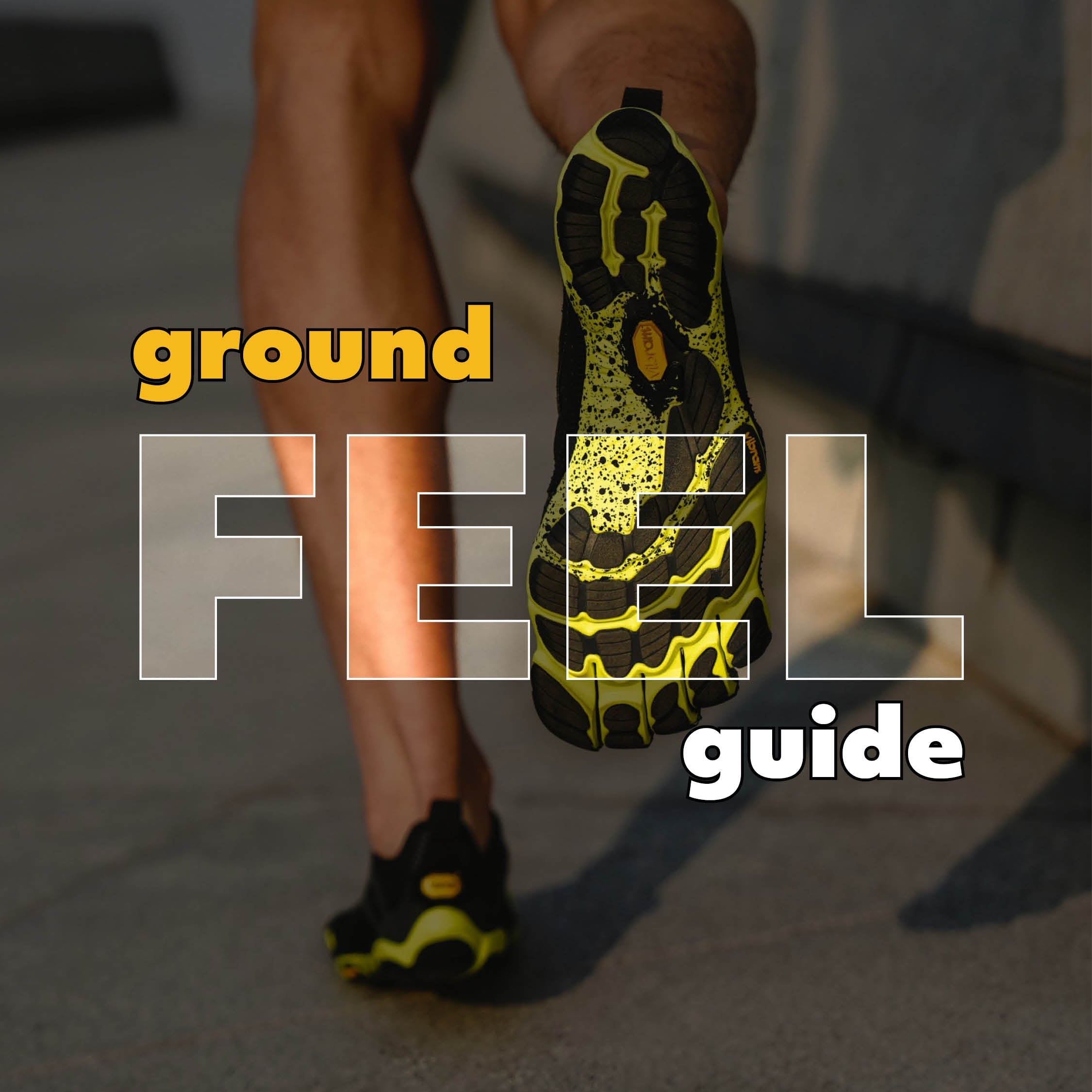
Training barefoot or in minimalist footwear strips away shortcuts.
You feel:
-
balance
-
pressure
-
instability
-
asymmetry
That feedback forces honesty.
You can’t hide poor mechanics under cushioning.
You can’t rush through sloppy reps.
You learn to control movement rather than overpower it.
This is longevity training in practice — awareness first, load second.
Volume vs Consistency
Longevity isn’t built in heroic sessions.
It’s built in repeatable ones.
Three sessions you can recover from beat:
-
one brutal workout that costs you the next ten days
Consistency compounds.
Fatigue accumulates.
The longer the game, the more this matters.
Mobility Isn’t Separate from Strength

Mobility isn’t something you “add on” when things hurt.
In longevity training, mobility is strength expressed through range.
Deep squats.
Controlled hinges.
Rotations under light load.
When you train strength inside usable ranges, mobility improves without stretching rituals or hacks.
Recovery Is Part of the Session
Longevity training respects recovery as training.
Sleep.
Breath.
Low-intensity movement.
Time.
If recovery is poor, training adapts.
Not the other way around.
This is where ego usually argues — and where longevity quietly wins.
Training as a Skill, Not a Test
The biggest mental shift?
Training stops being a test you pass or fail.
It becomes a skill you practice.
You refine:
-
control
-
awareness
-
rhythm
Progress becomes quieter — but deeper.
You don’t just get fitter.
You get better.
What Longevity Training Gives You
-
fewer injuries
-
steadier progress
-
better movement confidence
-
energy for life outside the gym
This isn’t about doing less forever.
It’s about doing what still works — later.
Where This Fits in The Quiet Foundations
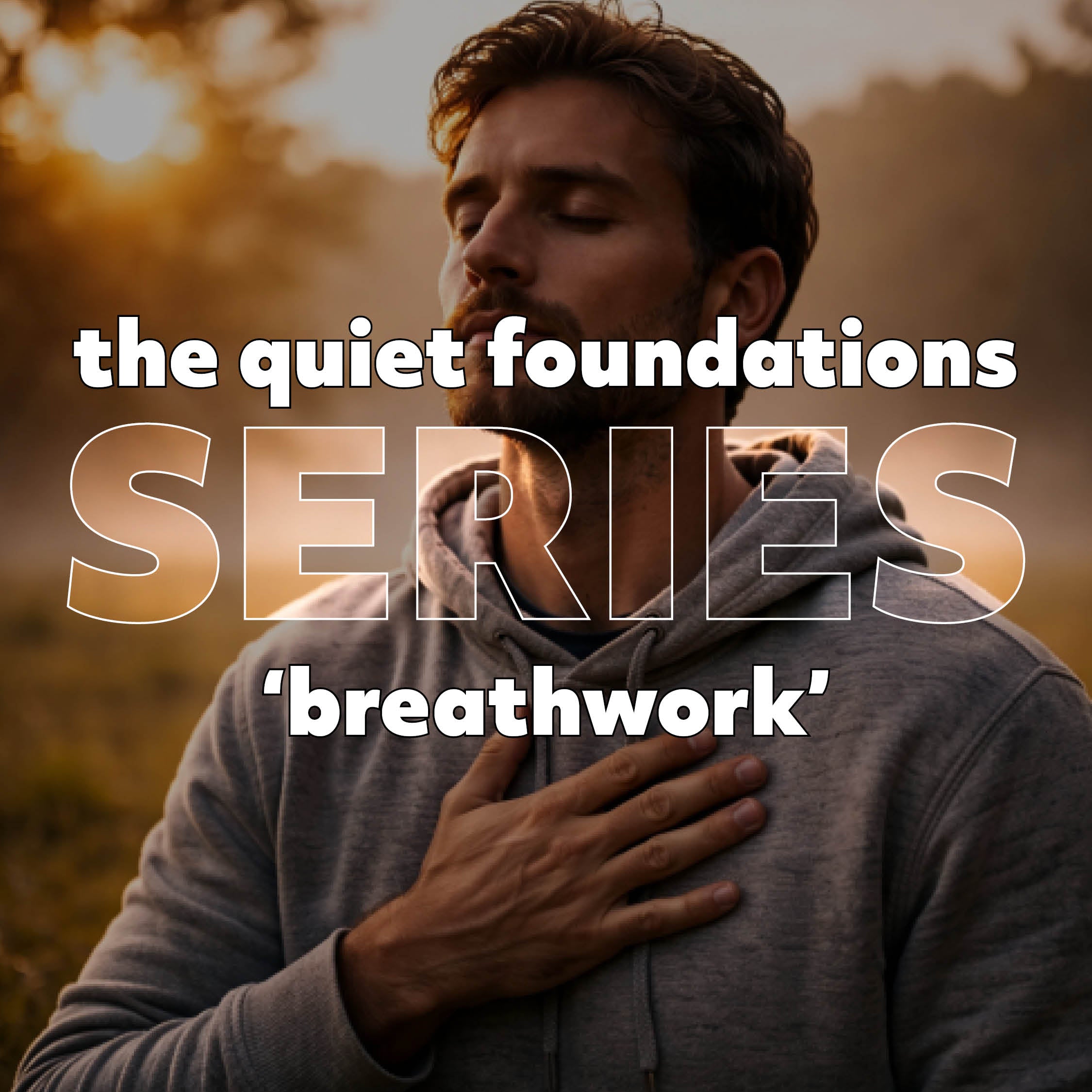
Longevity training sits naturally after breathwork.
Because:
-
breathing regulates effort
-
effort shapes recovery
-
recovery determines sustainability
You don’t need to train like you’re 20 forever.
You need to train in a way that lets you keep training.
Coming Next in The Quiet Foundations
Training is only half the equation.
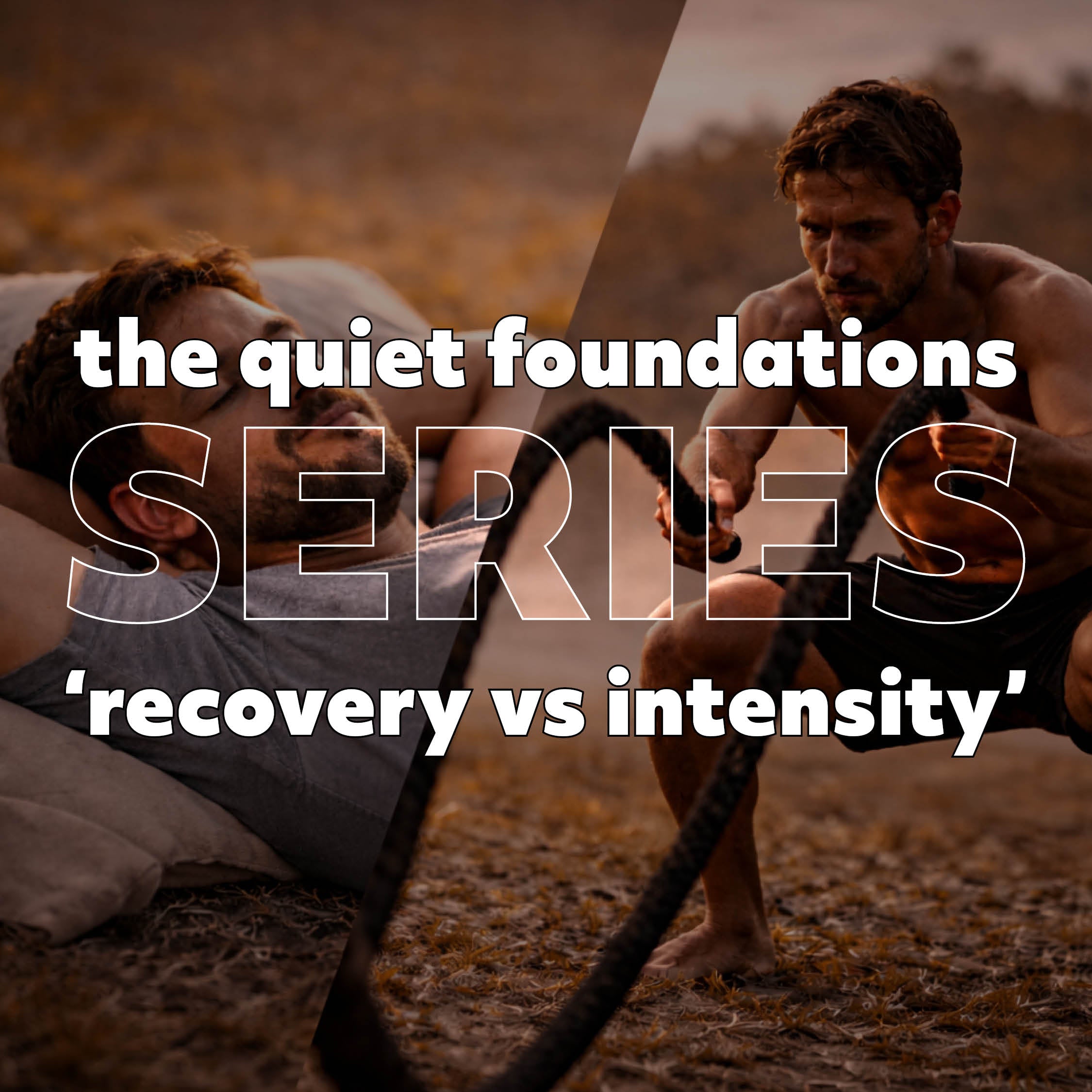
Next, we explore Recovery vs Intensity — when less actually does more, and how knowing when to pull back is often the difference between progress and plateau.
Disclaimer
This content is for educational and inspirational purposes only. Training methods should be adapted to individual ability, history and health status. Consult a qualified professional before starting or changing any exercise programme.